# Matcha vs Green Tea: Which Is Better for Your Health?
When it comes to healthy lifestyle choices, two names almost always come up among tea lovers — **[Matcha](https://mypekoe.com/collections/matcha)** and **Green Tea**. Both come from the same plant, Camellia Sinensis, yet the way they're grown, processed, and consumed sets them apart in surprising ways. If you've ever stood in front of a tea shelf wondering which one deserves a spot in your daily routine, this one's for you.
Tea specialists like Pekoe often point out that the real difference isn't just in taste — it's in the entire journey the leaf takes from the garden to the cup. Let's break it down.
## The Fundamental Difference Between Matcha and Green Tea
Matcha and green tea share the same origin, but their paths diverge early on.
**[Green Tea](https://mypekoe.com/collections/green-tea)** leaves are grown in direct sunlight, hand-picked, then quickly steamed or pan-fired to stop oxidation. After that, the leaves are dried and shaped into loose leaf tea or tea bags. When you brew green tea, you're steeping the leaves and drinking the infused water — the leaves themselves are discarded.
**Matcha**, on the other hand, follows a much more deliberate process. Before harvest, the tea plants are shaded for three to four weeks. This shading boosts chlorophyll and L-theanine levels, which is what gives matcha its vivid green color and signature umami flavor. After harvest, only the tender leaves — known as "tencha" — are selected, their stems and veins removed, and then they're stone-ground into a fine powder.
The biggest distinction is this: with matcha, you consume the entire leaf in powdered form, while with green tea, you only drink the infusion. That's exactly why matcha tends to pack a more concentrated dose of nutrients and antioxidants.
## Nutritional Comparison: Antioxidants and Caffeine
Both teas are rich in catechins and EGCG (epigallocatechin gallate), powerful antioxidants known for helping protect cells from damage.
But because matcha involves consuming the whole leaf, its EGCG levels can run significantly higher than regular green tea — some estimates put it at three to ten times more concentrated. Matcha also contains more caffeine than green tea, but here's the interesting part: that caffeine is paired with a unique amino acid called **L-theanine**.
This combination is what makes matcha stand out. L-theanine smooths out caffeine's usual jitters and crash, delivering a calm, focused kind of energy instead — without the sudden dip that often follows a cup of coffee. It's a big reason matcha is so often recommended for students, professionals, and anyone looking for sustained mental clarity throughout the day.
## The Difference in Taste and Preparation
Green tea has a light, grassy taste that can lean slightly bitter depending on brewing time and water temperature. It's also simple to prepare — just steep the leaves in hot water for two to three minutes and it's ready.
Matcha, in contrast, has a richer, more umami-forward and almost creamy taste, especially in ceremonial grades. Preparing it is a bit more involved — the powder is whisked into hot water using a small bamboo whisk (chasen) until it becomes smooth and frothy. It's less of a quick drink and more of a ritual, one that brings a sense of mindfulness and calm to the process.
Pekoe's matcha range is sourced from Japan's Kagoshima and Shizuoka regions, offering ceremonial, organic, and beverage-grade options to suit every preference — whether that's a traditionally whisked bowl or a matcha latte to go.
## Which One Is Better for You?
The real answer to "is matcha better than green tea?" comes down to your lifestyle and what you're looking to get out of your cup.
If you want something light, refreshing, and easy to prepare on a daily basis, **Green Tea** is an excellent choice. It supports hydration, digestion, and general wellness without any fuss.
If you're after more concentrated antioxidants, longer-lasting energy, and a calm, focused mind without the caffeine crash, **Matcha** is likely the better fit. It's especially popular among people who want to bring a little more ritual and intention into their mornings or work sessions.
Many tea drinkers actually keep both in rotation — matcha for a focused start to the day, and green tea as a lighter pick-me-up later on.
## Final Thoughts
Whether you lean toward matcha or green tea, both offer genuine health benefits in their own right. What matters most is quality — authentic, well-sourced, properly processed tea is what actually delivers the benefits these leaves are known for.
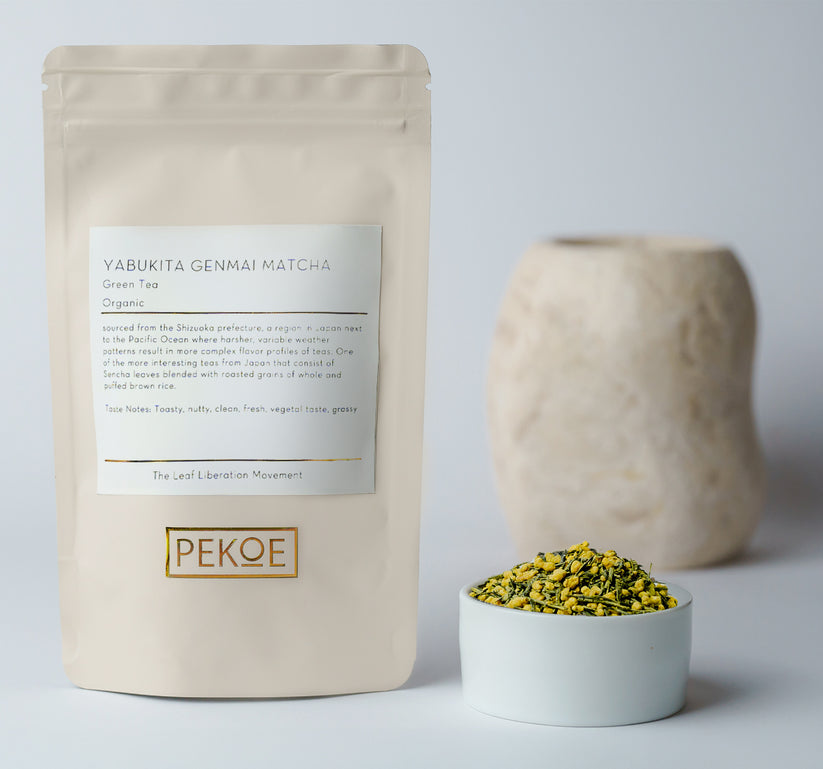
That's why tea specialists like Pekoe source their matcha and green tea from trusted regions across Japan and India, ensuring purity and authenticity in every cup. Whether you're just starting your matcha journey or looking to explore premium green tea, Pekoe's curated collection is a solid place to begin.
For more information
TikTok: **[mypekoe](https://www.tiktok.com/@mypekoe)**
Instagram: **[mypekoe](https://www.instagram.com/mypekoe/)**
Facebook: **[mypekoe](https://www.facebook.com/mypekoe/[](https://))**