# Best Patch Digitizing in USA: A Complete Guide
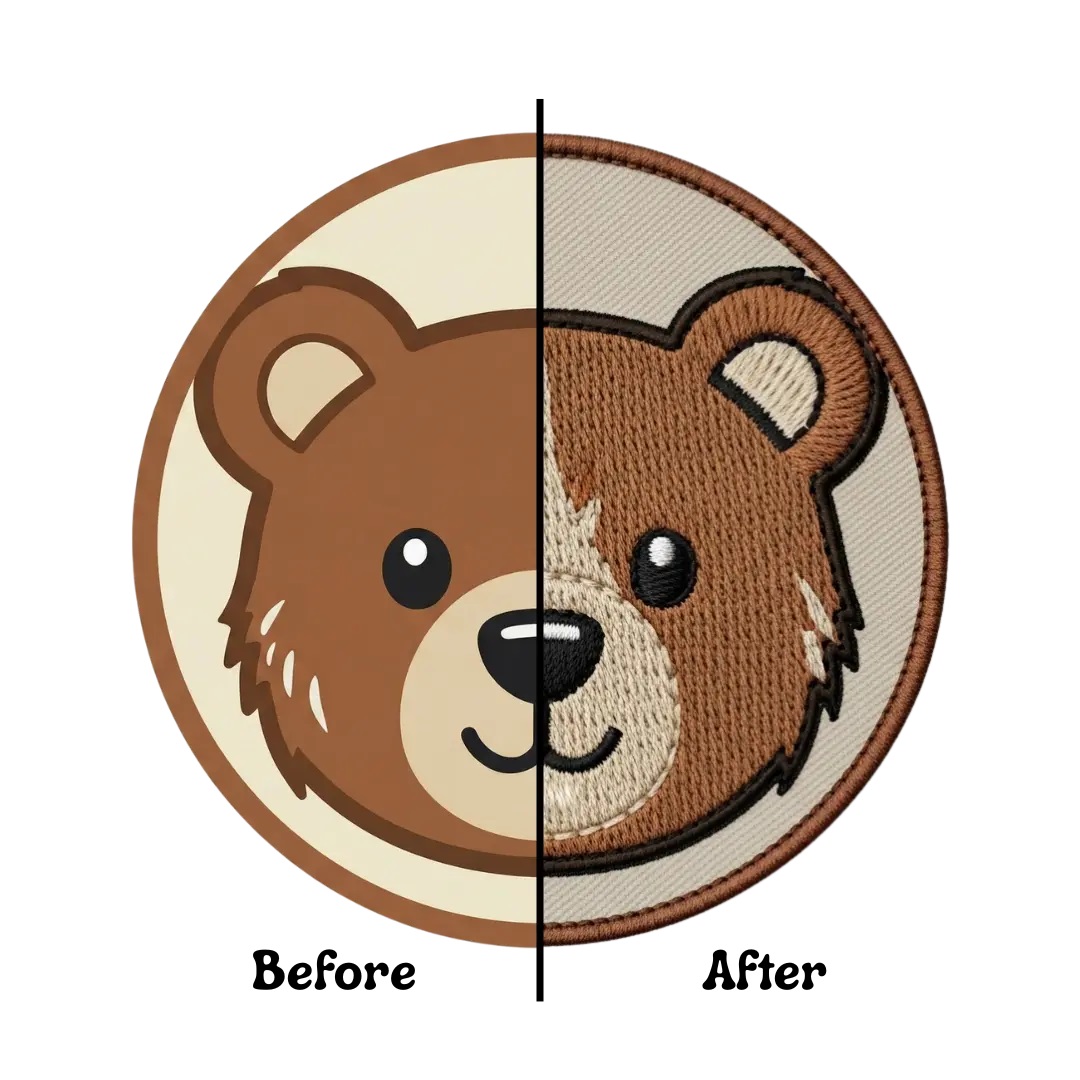
Custom embroidered patches are widely used by businesses, sports teams, schools, clubs, organizations, and individuals to represent logos, names, symbols, and unique artwork.
From uniforms and jackets to hats, bags, and promotional products, patches offer a practical way to display detailed designs on fabric. Behind every high quality embroidered patch is a properly prepared embroidery file.
This is where ***[best patch digitizing in USA](https://zdigitizing.com/patch-digitizing-service/)*** becomes important. Patch digitizing converts artwork into a format that an embroidery machine can understand, while carefully planning stitches, thread density, colors, sequencing, and design details.
A professionally digitized design can improve stitch quality, readability, production consistency, and the overall appearance of the finished patch.
## What Is Patch Digitizing?
Patch digitizing is the process of converting a digital image, logo, drawing, lettering, or other artwork into an embroidery machine file. Unlike a standard image file, an embroidery file contains instructions that tell the machine how to recreate the design using thread.
These instructions include stitch type, stitch direction, stitch density, stitching sequence, underlay, thread changes, and other technical details. Each element must be planned according to the design and its intended size.
A skilled digitizer does more than automatically convert an image. The artwork is evaluated to determine which areas require satin stitches, fill stitches, running stitches, or other embroidery techniques. Adjustments may also be necessary when the original artwork contains very small details or elements that are difficult to reproduce with thread.
## Why Professional Patch Digitizing Matters
The quality of an embroidery patch depends heavily on the quality of its digitized file. A poorly prepared file can result in uneven stitching, excessive thread buildup, gaps, distorted shapes, or lettering that is difficult to read.
Professional digitizing takes embroidery limitations into account from the beginning. Stitch density can be adjusted to prevent unnecessary bulk, while stitch direction can be planned to create a consistent texture and appearance.
Small text requires particular attention. Letters that look clear on a computer screen may become difficult to reproduce when reduced to a small embroidered size.
A knowledgeable digitizer can make appropriate adjustments while preserving the essential appearance of the original design. Borders also require careful planning. A properly digitized border can help define the patch shape and provide a clean finish during production.
## Patch Digitizing for Different Applications
Custom patch digitizing can support a wide range of applications. Businesses may use embroidered patches on workwear, uniforms, bags, and promotional merchandise. Sports organizations can create patches containing team names, numbers, mascots, and logos.
Schools, clubs, and community organizations can use custom patches for uniforms, events, membership items, and commemorative products. Individuals may also have artwork digitized for personal clothing, gifts, creative projects, and custom accessories.
Different applications can require different digitizing approaches. A detailed patch intended for a large jacket may allow more design detail than a small patch intended for a cap. The intended application and final dimensions should therefore be considered before digitizing begins.
## Choosing the Right Patch Digitizing Service
Selecting a patch digitizing service should involve more than comparing prices. Customers should consider technical experience, file quality, turnaround time, communication, revision policies, and examples of previous work.
Reviews and customer feedback can provide useful information about reliability and service quality, but they should be considered alongside actual examples and clearly stated service details.
It is also important to ask questions before submitting an order. Customers can confirm turnaround times, supported file formats, revision options, and whether testing is available. These details can help prevent production delays and unexpected adjustments.
## Conclusion
Finding quality patch digitizing in USA requires attention to both artistic details and embroidery technology. Professional digitizing transforms artwork into practical machine instructions while considering stitch types, density, sequencing, patch dimensions, lettering, and production requirements.
Whether the patch is intended for a business uniform, sports team, school, organization, or personal project, a properly prepared embroidery file can contribute to cleaner stitching and more consistent production.
Choosing a service based on technical knowledge, attention to detail, communication, testing, and reliable file delivery can help ensure that the final embroidered patch accurately represents the original artwork.
## Frequently Asked Questions
### What is the difference between regular artwork and an embroidery file?
Regular artwork is designed for digital or printed display, while an embroidery file contains machine instructions. An embroidery file specifies details such as stitch type, direction, density, and sequence so that an embroidery machine can reproduce the design with thread.
### How long does patch digitizing take?
Turnaround time depends on the complexity of the artwork, required size, number of colors, lettering, and revision requirements. Simple designs may require less preparation than detailed patches with multiple elements.
### What artwork is best for patch digitizing?
Clear, high quality artwork is generally easier to digitize accurately. Vector artwork or high resolution images can provide useful information about shapes, outlines, lettering, and colors.
### Can small lettering be used on embroidered patches?
Small lettering can be embroidered, but readability depends on the letter size, font, fabric, stitch type, and design complexity. A digitizer may need to modify the lettering or recommend an appropriate size to achieve clearer results.